TPMS system is a must-have for all vehicles produced in the USA after 2007. This system monitors tire pressure and warns the driver when a tire is under-inflated. According to the statistics, 250,000 accidents on the roads and highways are caused by under inflated tires. This way, based on the information provided by NHTSA, mandatory TPMS save approximately as many as 79 lives and 10,365 injuries per year. So no wonder U.S. government made them mandatory to use on all road vehicles.
Types of TPMS sensors
There are 2 types of TPMS systems available these days:
- Direct TPMS (sensors are mounted into the wheels);
- Indirect TPMS (measures tire pressure based on the ABS and wheel sensors information).
Direct TPMS sensors are more popular these days, as they provide more accurate information about the tire pressure of each wheel. Each sensor is built into the wheel and provides exact pressure measurements. When a tire is underinflated, the dashboard shows an error. Batteries in the direct TPMS sensors require replacement once they are gone.
-
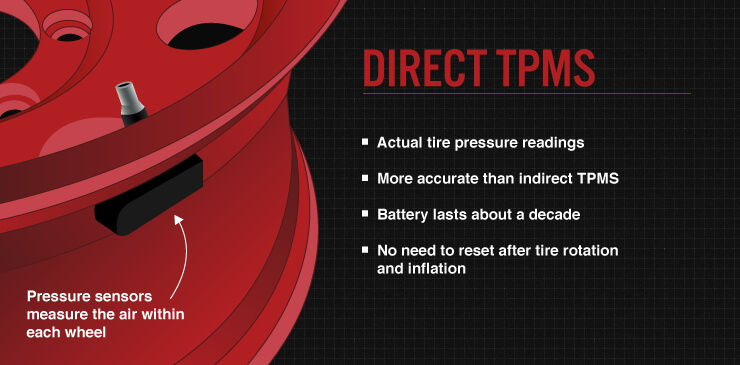
- Direct TPMS sensors
-
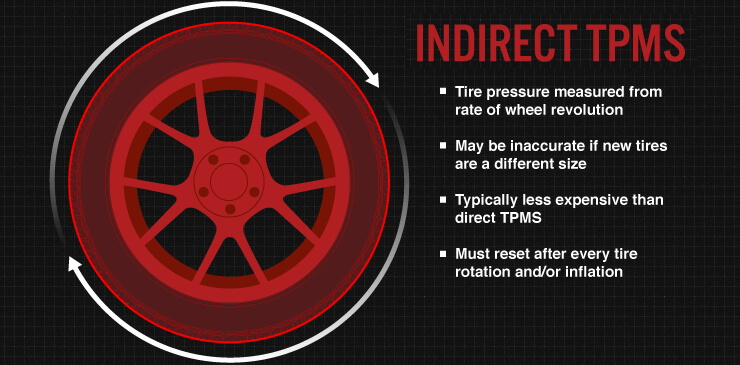
- Indirect TPMS sensors
Indirect TPMS sensors calculate tire pressure based on the information provided by the wheel and ABS sensors. In general, these measurements are approximately accurate, yet may get wrong when you install tires/wheels of bigger diameter. These sensors are not as fragile, as the direct TPMS ones, and provide more lasting service. Yet, these measurements may appear somewhat inaccurate when the tires are unevenly worn.
The Best TPMS Sensors
You may also like:
The Best Wheel Spacers
The Most Popular Lug Nuts
Submit your review | |
I ordered TPMS by Oro-Tek to control my tires condition. They work better than i expected on my 2010 Chevy Tahoe.